Why the Land of Israel is not the homeland of the Jewish people (Part 1)
Why the Land of Israel is not the homeland of the Jewish people:
To the Jews, Eretz Yisrael (the Land of Israel) is a holy land, not a national homeland. In nationalist philosophy, there is some organic connection between a people and the land in which they became a people. That is the meaning of "homeland": The place where a people are born. Like patria—fatherland—in Spanish and Italian; patrie in French; mat’ Rossiya—“Mother Russia”—in Russian; and, as the Zionists call Israel, moledes—“birthplace.” Indeed, the opening words of Israel’s founding document, the “Declaration of Independence,” state: “[The Land of Israel] was the birthplace of the Jewish people.”
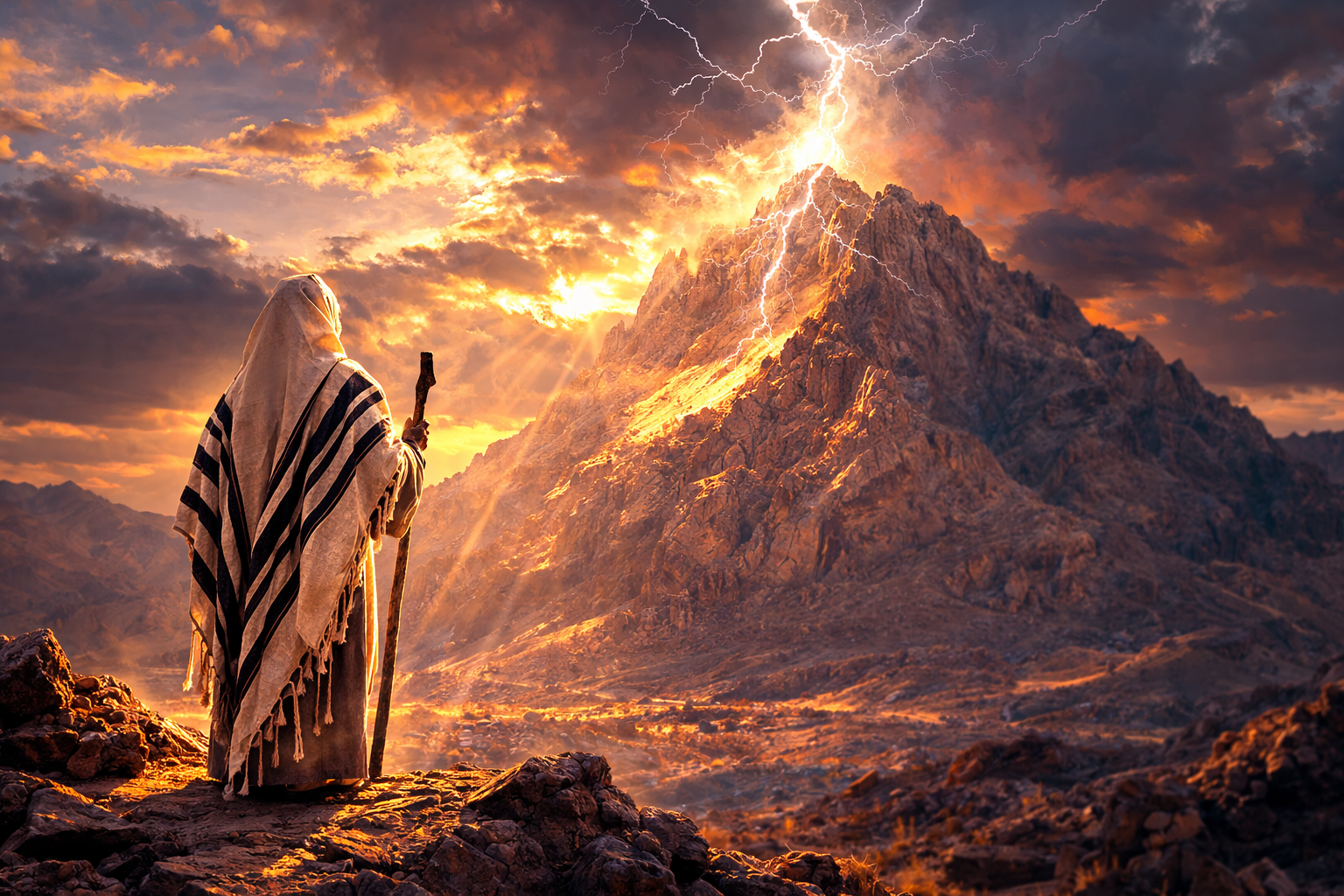
But the Torah disagrees. Judaism says we were born at Mount Sinai. Moses was no less Jewish than anyone who was born in or lived in Eretz Yisrael. As the Talmud (Berachos 63b) explains, the Biblical verse "hayom hazeh nihyeita le’am"—“today you have become a people”—refers to the day of the Revelation at Mount Sinai.
Zionists were not the only nationalist movement that wanted to change a religious holyland into a national homeland. Other modern movements led by secular nationalists also transformed a religious holy land into a national homeland.
In Hindutva (Hindu religious identity recast as national identity), V. D. Savarkar defined Hindu identity this way:
“A Hindu is he who regards this land of Bharatvarsha, from the Indus to the Seas, as his Fatherland (Pitribhumi) as well as his Holyland (Punyabhumi).
"From the Indus to the seas." Sound familiar?
Zionism, like Hindutva, is a nationalist transformation of a religion, but Zionism uses Jews as human shields to protect itself.