A Prayer for the Government
Third in the series "Seek the Peace of the City," on what Judaism teaches Jews about the countries they live in. Earlier installments are here: Part 1 | Part 2
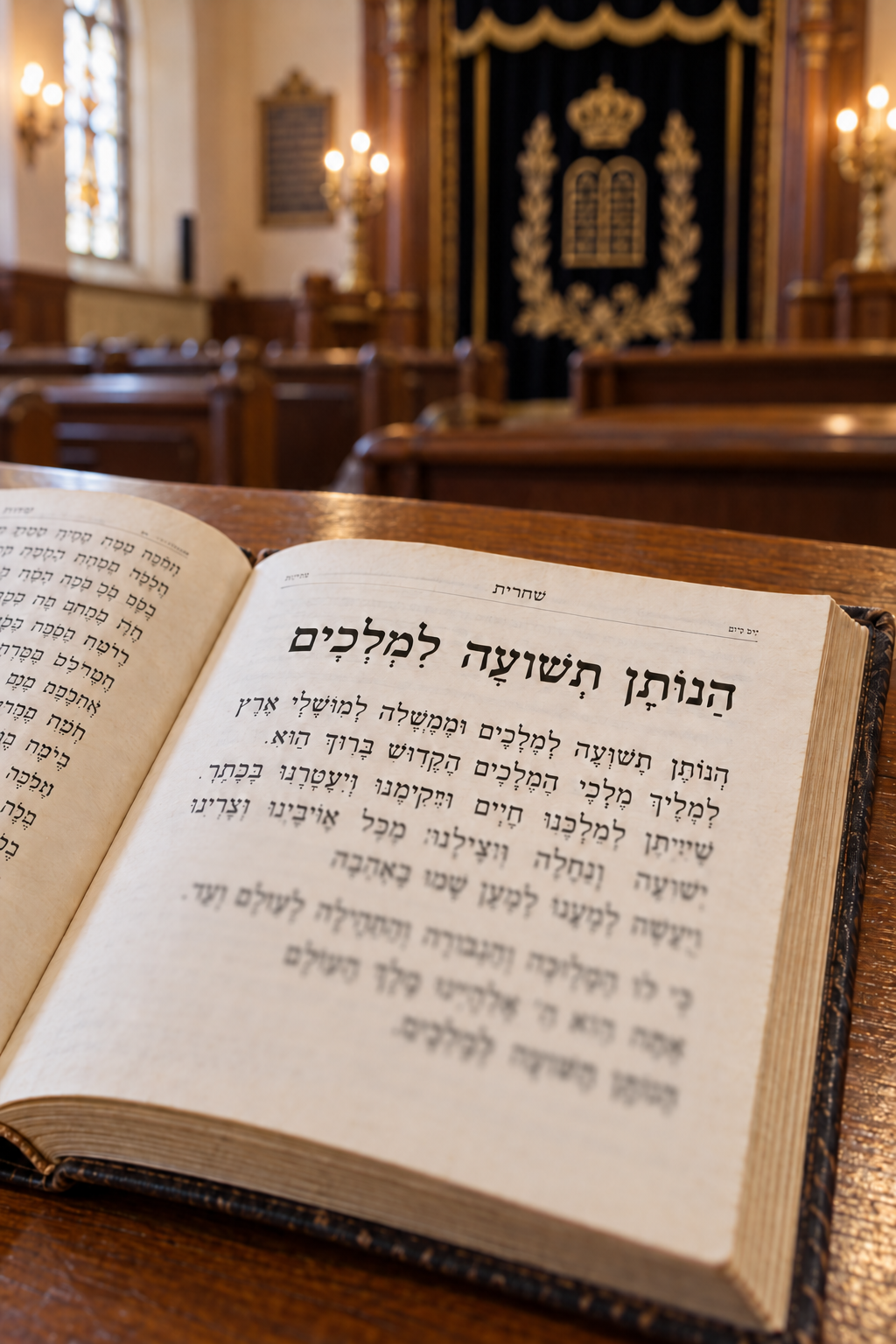
On Sabbath morning in many synagogues around the world, something happens that most visitors would not expect. After the reading from the Torah scroll, before the scroll is returned to the ark, the congregation stands, and a prayer is said for the government of the country. In America, it names the President and the officials of the United States. In Britain, it names the King. In other countries, it names whoever governs there.
The first article in this series mentioned this prayer in passing. It deserves a closer look, because few customs show more plainly what Jews are actually taught to feel about the countries they live in.
An old instruction
The prayer has roots in three places, each already very old.
The first is Jeremiah's letter to the exiles in Babylon, discussed earlier in this series, which told them to "seek the peace of the city… and pray unto the Lord for it."
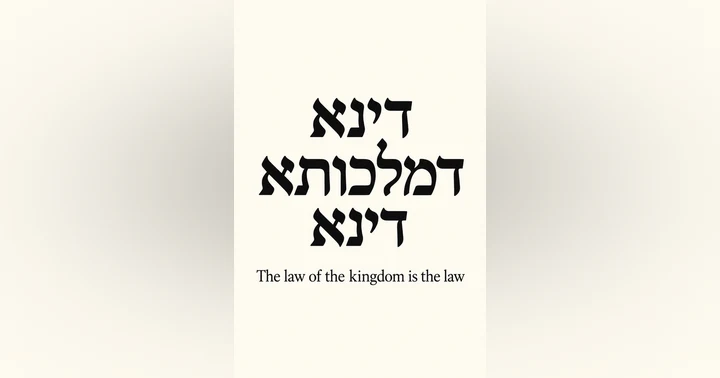
The second appears a generation or two later, in the Book of Ezra. When the Persian king Darius authorized the rebuilding of the Temple in Jerusalem, he asked in his decree that the Jewish priests offer sacrifices and "pray for the life of the king, and of his sons." The Jews did not regard that request as an imposition. Praying for the ruler under whom they lived was already part of how they understood their place in the world.
The third is the teaching in the Mishnah, quoted in the first article, from a sage who lived in the final years of the Second Temple: "Pray for the welfare of the government, for were it not for the fear of it, people would swallow one another alive." He spoke under Roman rule, and Rome was hardly a gentle government for the Jews. His point was that order itself is a blessing, whatever the character of the government, and that people who pray for it are praying for their neighbors' safety as well as their own.
What the prayer says
The version used in many congregations for centuries opens with a line drawn from the Psalms: "He who gives salvation to kings and dominion to princes." It goes on to ask God to bless, guard, and help the ruler of the country, to grant the government wisdom and success, and to put compassion in the hearts of its leaders toward all who live under their rule.
Modern versions vary from country to country, and some communities have their own texts or customs. But the essential content is the same everywhere: a request, made in the presence of the open Torah, for the wellbeing of a government that is not Jewish, run by people who are mostly not Jewish, in a country Jews did not found.
For long stretches of time, the prayer was said for rulers who were indifferent to Jews at best, and sometimes for rulers who were openly hostile. Communities in places where they had little reason to love the government said it anyway. It was an obligation, kept regardless of how the government behaved, and not a reward for good treatment.
A blessing for a king
Jewish law contains a related practice that is even less known outside the tradition. When a Jew sees a reigning king, the Talmud instructs him to recite a blessing: "Blessed are You, Lord our God, King of the universe, who has given of His glory to flesh and blood."
The blessing is said over non-Jewish kings. The reasoning is that earthly authority is a reflection, however distant, of God's own authority over the world, and that seeing it is an occasion to acknowledge where all authority ultimately comes from. A tradition that wanted Jews to view the governments around them with contempt would hardly have given them a blessing to say on seeing those governments' rulers. This one gave them a blessing instead.
What it means to pray for someone
It is very hard to pray sincerely for someone's welfare while wishing him harm. A person who asks God, every week, to bless and protect the government of his country is training himself, week after week, in goodwill toward it. Over a lifetime, that becomes a habit of mind. Over generations, it becomes the character of a community.
That is what the custom has done. Jews who are raised with it learn, from childhood, that the country they live in is something to pray for. They learn it in the same service in which they hear the Torah read, so the two belong together in their minds from the start.
What this means for the old accusation
The ancient accusation of divided loyalty assumes that Jews quietly hope for the failure of the countries they live in, or at least feel nothing for them. The Sabbath morning service in an observant synagogue answers that charge without a word of argument. There, every week, the congregation stands and asks God to bless and protect the government of its country, as Jews have done in one form or another for more than two thousand years.
No other loyalty is invoked in that prayer. It is said for the country where the congregation actually lives, and for its rulers, by name.
The next article turns from prayer to conduct: what Jewish law requires of a Jew in his dealings with his non-Jewish neighbors, and why the law treats honesty toward them as a religious obligation.
What’s on the Ballot