The Forgotten Jewish Dissident Killed in Jerusalem
In modern discussions about Israel and Zionism, many people assume that Zionism and Judaism are essentially the same thing. They imagine that all Jews supported the Zionist movement from the beginning and that opposition came only from non-Jews.
The historical record tells a different story.
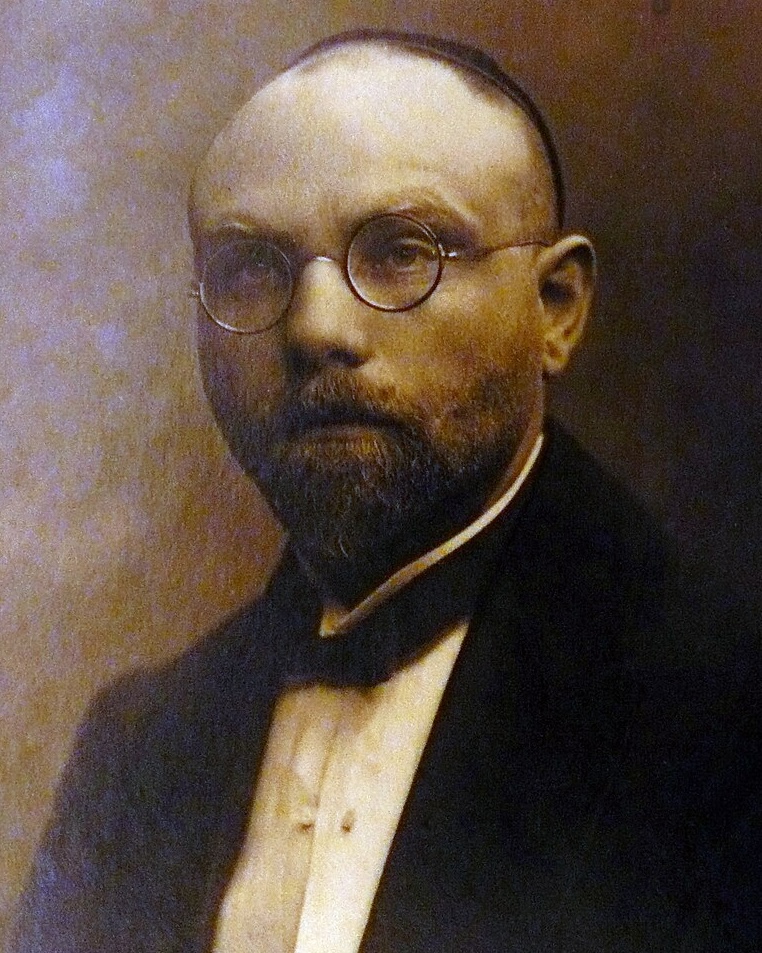
One of the most dramatic examples is the life and death of Dr. Jacob Israël de Haan, a Dutch Jewish intellectual who was assassinated in Jerusalem in 1924 after becoming a leading spokesman for the anti-Zionist Orthodox Jewish community.
His story reveals a largely forgotten chapter of history: the struggle between Zionist political organizations and religious Jews who believed that Zionism threatened Judaism itself.
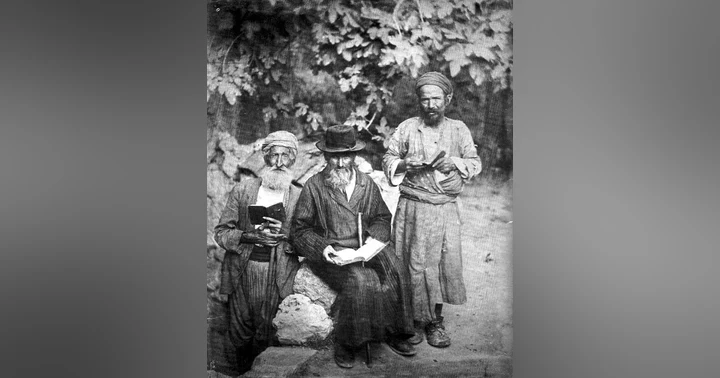
De Haan arrived in Palestine in 1919. At first, he had sympathies for Zionism. Over time, however, he became closely associated with Rabbi Yosef Chaim Sonnenfeld and the Old Yishuv, the long-established Orthodox Jewish community of Jerusalem.
The religious Jewish community viewed Zionism not as a continuation of Jewish tradition but as a radical political movement that sought to redefine Jewish identity. They knew that Judaism was a religion and a covenant with God, while Zionism was an attempt to transform the Jewish people into a modern nationalist movement similar to the national movements then emerging throughout Europe.
The disagreement was not merely theoretical.
The Orthodox community feared that Zionist institutions would claim to speak on behalf of all Jews while marginalizing those who rejected Zionist ideology. Religious leaders worked to establish independent communal structures that would not be controlled by Zionist organizations.
De Haan became one of their most effective advocates.
Gifted, well-connected, and fluent in the language of diplomacy, he communicated the concerns of the Orthodox community to British officials and Arab leaders. He explained that Zionist organizations did not represent all Jews and that many religious Jews rejected their political program.
This was a serious challenge to Zionist leaders.
The Zionist movement depended heavily on presenting itself as the legitimate representative of the Jewish people. A prominent Jewish intellectual publicly demonstrating that large numbers of Jews opposed Zionism complicated that message.
Tensions escalated.
On June 30, 1924, de Haan was shot and killed in Jerusalem. Historians generally regard the assassination as the first political assassination in Mandatory Palestine. Members of the Haganah, a Jewish underground organization associated with the Zionist movement, were later connected to the killing, and responsibility has been acknowledged by figures within the Zionist camp.
The murder shocked many observers.
The significance of the event is difficult to ignore. A Jewish dissident was killed by fellow Jews because of his political activities and his opposition to the dominant Zionist leadership of the time.
For the Orthodox community that de Haan represented, his death became a symbol of a broader struggle.
They were fighting to preserve a religious identity independent of modern nationalism. They knew that Judaism existed long before Zionism and would continue to exist without it. In their view, loyalty to the Torah did not require loyalty to a political movement. In fact, Zionism was anathema to Judaism.
This dispute did not disappear with de Haan's death.
Throughout the twentieth century and to this day, Jews faithful to the Torah continued to reject Zionism and maintained their distance from it. Communities such as the Eidah HaChareidis in Jerusalem developed specifically to preserve independence from Zionist institutions.
The important point is that Judaism and Zionism are not in any way synonymous.
To understand history properly, it is necessary to recognize that some of the earliest and most determined opponents of Zionism were themselves deeply religious Jews.
The story of Jacob Israël de Haan reminds us that political movements often attempt to present themselves as the sole voice of a people. History is more complicated than that.
His life and death stand as evidence that a significant segment of the Jewish population resisted Zionism from the beginning and sought (and still seeks) to preserve their true Jewish identity—rooted not in nationalism, but in religion, tradition, and Torah.

Why They Waited