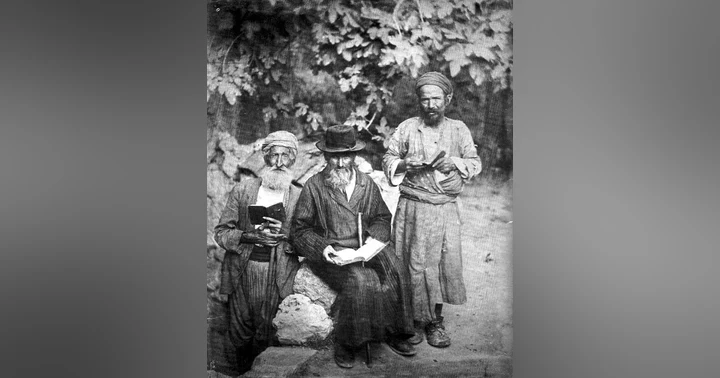
The Tragic Irony of the "New Jew"
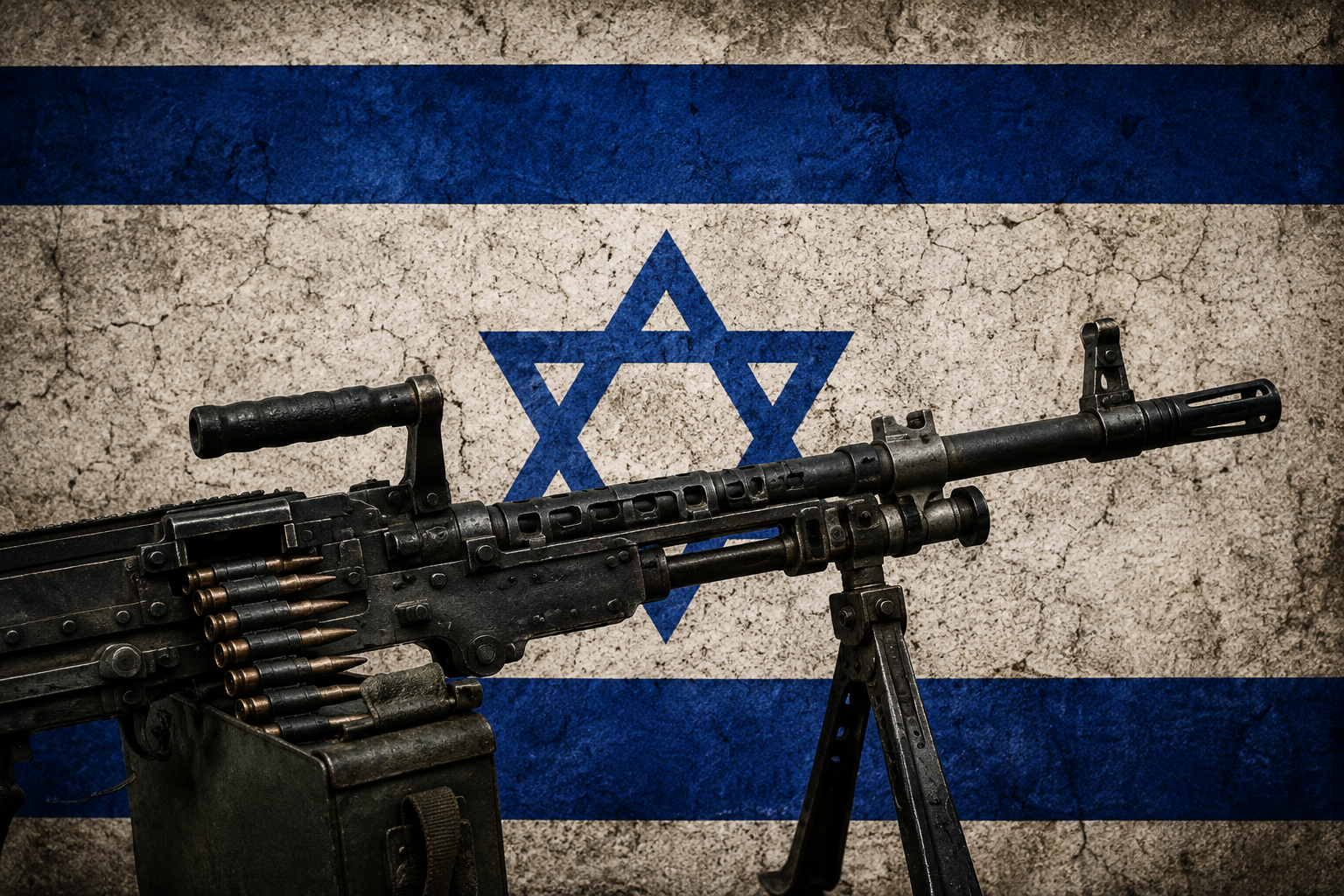
In the wake of Trump's deal to end the war with Iran and Israeli cabinet members subsequent criticism of Trump, Vice President J.D.Vance commented: "My response to them would be: What is your exact proposal? You’re a country of 9 million people. You can’t just kill your way out of solving every single national security problem that you have."
Vice President J.D. Vance's criticism of members of the Israeli government was notable because it came not from an avowed enemy of Israel, but from a political ally. His point was that force cannot solve every security problem.
Whatever one thinks of Vance or his framing, the criticism touches a deeper historical question:
What kind of Jew did Zionism try to create?
Early Zionist thinkers often spoke openly about creating a "new Jew," one who would stand in contrast to the image of the Diaspora Jew, seen as passive, bookish, and vulnerable. In its place, they glorified physical strength, self-reliance, and the willingness to use force.
More than a century later, supporters of Zionism point to Israel's military power as proof of their success. Critics look at the same phenomenon and see something else: a project that replaced one ideal of Jewish identity with another.
From a traditional Torah perspective, Jewish greatness was never about military prowess. Jewish identity was (and is) about Torah study, faith, and communal life. Jewish heroes have always been Torah scholars and righteous figures, not warriors.
That does not mean Jews never fought wars or defended themselves. But it does mean that force was not treated as the defining feature of Jewish identity.
This is why Torah Jews see modern Israeli militarism not simply as a policy choice, but as the end result of a cultural shift. Jewish identity rebuilt around physical and military power is not Jewish at all.
Vance's critique is that Israel's leaders believe military force can solve every problem. The irony is that this is precisely the kind of "new Jew" early Zionists celebrated.
For Torah Jews who never signed on to that project, the moment highlights the central issue—that the values of Judaism and the values of modern nationalism are diametrically opposed.
The Jewish people predate the Zionist movement. Jewish identity existed long before the modern State of Israel. Torah Jews understand their covenantal identity as independent of any modern state.
None of this resolves the hard realities of security or the moral complexity of war. But it does clarify a boundary that is often blurred in public debate.
Criticism of Israeli government policy, or even of Zionism as an ideology, is not the same as hostility toward Jews as Jews. Conflating the two can fuel confusion, resentment, and unjustified hatred.

Why They Waited